
Cultural diplomacy (CD) uses art and culture to advance a country’s foreign policy goals, fostering international understanding and building relationships. It’s a method that complements traditional state diplomacy, aiming to create bridges between cultures through shared experiences and mutual respect.
Section 13 of the Philippine Foreign Service Act of 1991 (Republic Act No. 7157) mandates all Philippine Foreign Service Posts to “promote Philippine arts and culture” while Section 3 (7) Title 1, Book V of the Revised Administrative Code of 1987 (Executive Order 292) mandates the Department of Foreign Affairs to “foster cultural relations” with other countries and enhance the Philippine image abroad.
Cultural Diplomacy of the Philippine Consulate General in Calgary
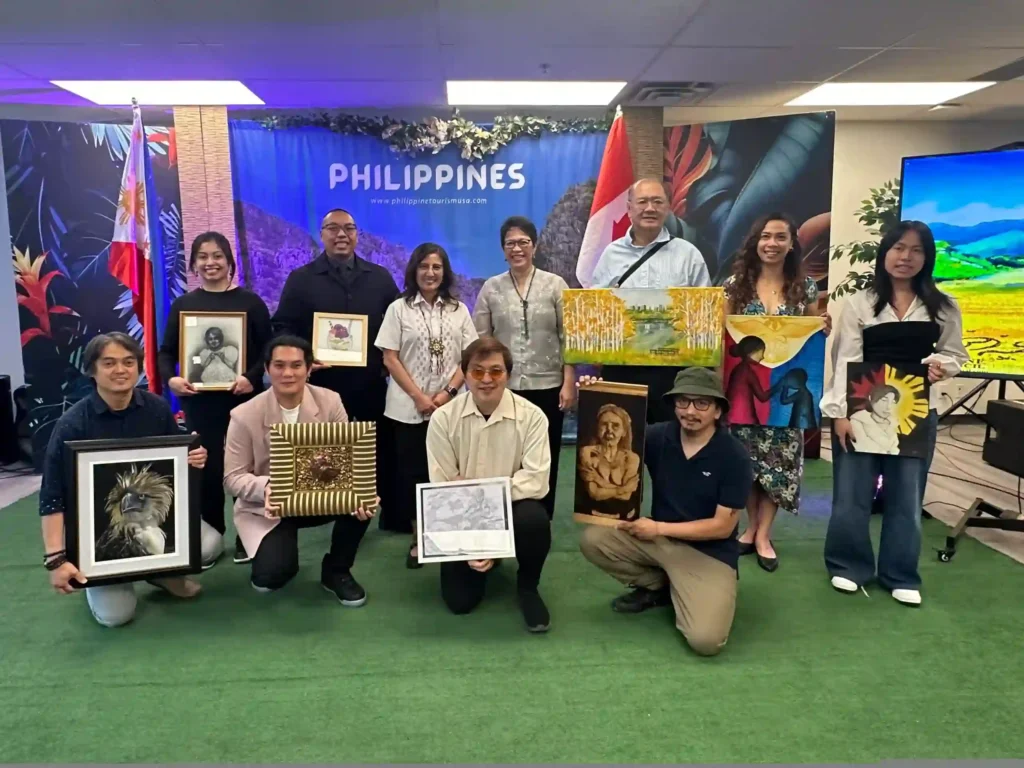
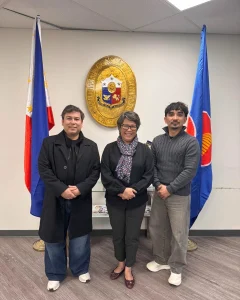
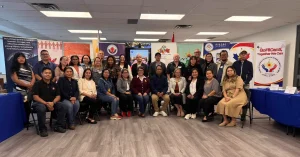
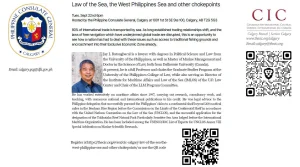
The Philippine Consulate General in Calgary (PCG Calgary) actively advances cultural diplomacy as a key part of its mission to promote the Philippines in Alberta and Saskatchewan. By organizing and supporting a wide range of cultural activities – such as exhibits, performances, film showings, food-related events, lectures, and community festivals – PCG Calgary highlights the richness of Filipino heritage and its continuing evolution.
The Consulate also partners with local organizations, Filipino community organizations, educational institutions, and cultural groups to foster mutual understanding, celebrate diversity, and strengthen the bonds between Filipinos and Canadians.
Through these efforts, the Consulate builds bridges between cultures, and deepens the people – to – people connection that not only form the foundation of strong bilateral ties, but also enriches the mosaic of humanity of Canada.
Key Aspects of Cultural Diplomacy

Building Bridges: Cultural diplomacy emphasizes sharing perspectives, promoting dialogue, and fostering mutual understanding between nations.
Soft Power: It leverages a country’s cultural appeal (soft power) to influence others and build trust, rather than relying on coercion (hard power).
Advancing Foreign Policy: Cultural diplomacy can support a country’s foreign policy objectives by generating support for its actions and improving public opinion abroad.
Increased Visibility and Influence: It can increase a country’s visibility on the international stage and position it as a leader on specific issues.
Promoting Cultural Exchange: It facilitates cultural exchange programs, artistic collaborations, and educational initiatives that strengthen ties between countries.
Cultural Diplomacy in Action

Exhibitions and Festivals: Hosting international art exhibitions, music festivals, and film festivals can showcase a country’s cultural heritage and attract international visitors.
Cultural Exchange Programs: Sending and receiving students, artists, and researchers can facilitate the exchange of ideas and build relationships between people from different countries.
Use of Technology: Utilizing digital platforms and online resources to reach wider audiences and promote cultural exchange.
Supporting Creative Industries: Promoting and supporting a country’s creative industries, such as film, music, and literature, can enhance its visibility and cultural influence.
Cultural Calendar of Activities
| ACTIVITY | MONTH | LINKS |
| January | ||
| February | ||
| March | ||
| April | ||
| May | ||
| June | ||
| July | ||
| August | ||
| September | ||
| October | ||
| November | ||
| December |
contact details
Calgary PCG Cultural Section
Email : calgarypcg.culturalsection@gmail.com
NCCA
Website : www.ncca.gov.ph
Email : info@ncca.gov.ph
Sentro Rizal Film Club
Website : sentrorizal.ncca.gov.ph
Email : sentrorizal@gmail.com